1:1 Consultation
Treating Adult Acne Scarring and Enlarged Pores with Skin Rejuvenation at Mason Clinic
An educational guide to adult acne scarring and enlarged pores, scar types, and how Mason Clinic's Skin Rejuvenation program approaches them in Seoul.
Mason Clinic · Medical Editorial & Clinical Insight
1:1 Consultation →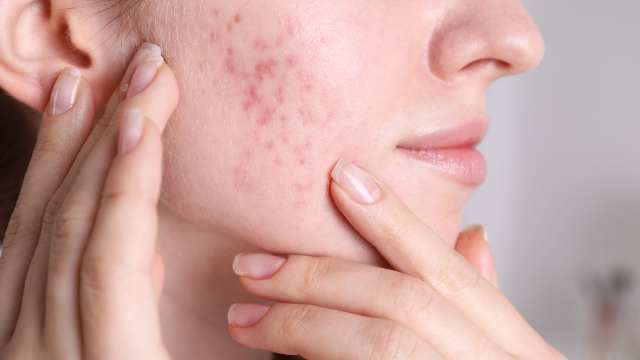
Treating Adult Acne Scarring and Enlarged Pores with Skin Rejuvenation at Mason Clinic
Medically reviewed by Dr. Hyunju Kim, Medical Director, Mason Clinic
Adult acne scarring and enlarged pores are among the most persistent and frustrating skin concerns people bring to a dermatology consultation. Long after the active breakouts have calmed, the skin can hold onto their memory in the form of uneven texture, small depressions, lingering discoloration, and pores that look more prominent than they used to. For adults researching acne scarring treatment in Seoul, it helps to start with a clear, realistic picture of what these concerns actually are, what different treatment approaches can and cannot do, and how a personalized program is built. This guide maps those questions to Mason Clinic's Skin Rejuvenation category and explains the honest expectations that should frame any decision.
Before going further, one point deserves emphasis and will be repeated: this article is educational and is not a self-diagnosis tool. Acne scarring and pore concerns are individual, treatment is often gradual and multi-session, and improvement is typically partial rather than a complete erasure or cure. The appropriate plan is determined only after a detailed, in-person skin assessment. Results vary between individuals, common temporary effects such as redness and sensitivity can occur, and diligent sun protection is part of the process.
Understanding Adult Acne Scarring: The Main Scar Types
"Acne scarring" is not one single thing. It is an umbrella term for several distinct kinds of changes the skin can develop after inflammatory acne, and understanding the differences is the foundation for realistic expectations. In general dermatology terms, most textured acne scars fall into a few recognizable categories.
Rolling scars have sloping, wave-like edges that give the skin a gently undulating surface, almost like shallow rolling hills. They tend to be broad and soft-edged rather than sharply defined. Boxcar scars are wider depressions with more clearly demarcated, steeper walls, resembling small craters with a defined border. Ice-pick scars are narrow but deep, as though a fine instrument had been pressed into the skin, and because they extend downward rather than outward they are often considered among the more stubborn textural scars. Many people have a mixture of these types across different areas of the face, which is one reason a single, uniform approach rarely fits.
There is also raised scarring, such as hypertrophic or keloid scars, where the healing response produces excess tissue rather than a depression. These behave differently from depressed scars and call for their own considerations. The key takeaway is that scar type, depth, and distribution vary widely from person to person, and any sensible plan begins by identifying what is actually present rather than assuming all acne marks are the same.
Not All Marks Are Scars: PIE and PIH
A common and important source of confusion is the difference between true textural scars and post-inflammatory color changes. Many marks left behind by acne are not scars at all in the structural sense; they are discoloration that can fade over time.
Post-inflammatory erythema, often abbreviated PIE, refers to the flat pink, red, or purplish marks that can linger after a pimple heals, related to the blood vessels and inflammation involved in the healing process. Post-inflammatory hyperpigmentation, or PIH, refers to flat brown, tan, or darker marks that reflect excess pigment produced in response to inflammation, and it is more commonly noticed in skin that tans easily or is naturally deeper in tone. Neither PIE nor PIH is a depression or a change in the skin's surface texture; they are color concerns.
This distinction matters a great deal for expectations. Color changes and textural scars generally respond to different considerations, and mistaking one for the other leads to frustration. Part of what a professional skin assessment does is separate these elements: what is genuine textural scarring, what is discoloration that may behave differently over time, and what combination of concerns is present. Sun exposure, in particular, can worsen the appearance of post-inflammatory marks, which is one reason sun protection is repeatedly emphasized in any plan involving the skin's surface.
Enlarged Pores and Their Relationship to Adult Acne
Enlarged pores frequently accompany acne-prone and post-acne skin, and they are a concern in their own right. Pores can look more prominent for several overlapping reasons, including the natural characteristics of the skin, oil production, loss of firmness around the pore opening with age, and the aftermath of inflammation. For many adults, the appearance of enlarged pores and uneven texture are intertwined with their acne history rather than separate problems.
Mason Clinic's Skin Rejuvenation program explicitly lists enlarged pores, rough texture, uneven skin tone, redness, and early signs of aging among the concerns it is designed to address. That said, it is realistic to understand that pore appearance can be improved and refined, not eliminated. Pores are a normal feature of skin, and honest goals center on making them look less prominent and the surface look smoother, not on erasing them. As with scars, the degree of change achievable varies with the individual and typically builds over a course of treatment rather than appearing at once.
How Mason Clinic's Skin Rejuvenation Program Approaches These Concerns
At Mason Clinic, Skin Rejuvenation is described as a personalized program intended to restore skin texture, tone, hydration, brightness, and overall vitality, targeting the visible effects of aging, environmental damage, pigmentation, redness, and uneven texture. Rather than a single fixed procedure, it is presented as a diagnostic-first program in which every treatment plan is customized after a detailed skin assessment, combining complementary technologies chosen to suit the individual.
The process the clinic documents begins with a comprehensive consultation with Dr. Kim, the clinic's medical director, followed by a detailed evaluation of skin type, texture, tone, sensitivity, and medical history. Based on those findings, a personalized protocol is developed using the treatments judged most appropriate for that person's skin. The clinic describes combining multiple complementary skin rejuvenation technologies, using certified equipment with documented treatment parameters, and providing private in-room care under direct medical supervision. The treatment journey itself is described as including the consultation and skin assessment, personalized planning, delivery of the selected procedure, professional in-room cleansing and aftercare, post-treatment guidance, and follow-up consultations to monitor progress and plan any maintenance.
Two features of this framing are especially relevant to acne scarring and pores. First, because scar type, discoloration, and pore concerns vary and often coexist, a program that is assembled after assessment, rather than a one-size procedure, aligns with how these concerns actually present. Second, the clinic is explicit that the exact combination is determined only after the skin assessment, which is another way of saying that no responsible plan can be finalized from a web page.
A Note on Naming Specific Devices and Regulatory Status
When any specific device or product is named in the context of these treatments, it is important to be precise about regulatory status for a US audience, because clearances and approvals differ by country and by region. Some energy-based devices used for facial concerns are US-FDA-cleared for particular indications. For example, Thermage FLX, a radiofrequency treatment, is US-FDA-cleared (a clearance dating to 2017) for the temporary improvement of the appearance of facial wrinkles and periorbital wrinkles; that clearance is specific to those wrinkle indications rather than being a general endorsement for acne scars or pores. Other treatments and products offered at the clinic's Seoul location are not US-FDA-cleared, and a clearance or approval granted in another country is not equivalent to US FDA clearance.
The practical point for readers is to hold two ideas at once. A treatment can be perfectly legitimate and offered in Seoul while still not carrying US FDA clearance, and US FDA clearance, where it exists, is tied to specific indications rather than to every possible use. This guide therefore describes the clinic's Skin Rejuvenation approach at the category level and applies device-level precision whenever a specific product is named. It does not assert an FDA claim for any device in connection with acne scarring or pores unless that claim is genuinely applicable, and it does not represent any Seoul-offered treatment as US-FDA-cleared when it is not.
Why Treatment Is Usually Gradual, Multi-Session, and Partial
Perhaps the most important expectation to set is this: meaningful improvement in acne scarring and enlarged pores is typically gradual, often requires more than one session, and is usually partial rather than complete. This is not a limitation unique to any one clinic; it reflects the nature of the skin and of scar tissue itself.
The clinic's own materials describe results that develop progressively according to the selected treatment and individual skin condition, with maintenance sessions sometimes recommended to support longer-term improvement. Some procedures may show relatively prompt effects with little downtime, while others improve over time as the skin naturally repairs and renews. Final results are described as appearing progressively, with follow-up consultations used to monitor progress and adjust the plan. The realistic framing, then, is one of steady, cumulative refinement rather than an overnight fix.
It is equally important to state what these treatments are not. Skin rejuvenation for acne scarring is not a cure and does not promise to erase scars completely or restore the skin to a scar-free state. Depressed scars, particularly deeper ones such as ice-pick scars, can be especially stubborn, and the honest aim is improvement in the appearance and texture of the skin, softening and smoothing rather than deletion. Outcomes vary with the type and depth of scarring, the nature of any discoloration, individual skin characteristics, and how the skin responds. Committing to this realistic mindset up front tends to make patients far happier with genuine, incremental progress than an inflated promise ever could.
Common Effects, Aftercare, and Sun Protection
Because most approaches to texture and pores work on the skin's surface or stimulate a repair response, some temporary effects are common and expected. These can include short-lived redness and sensitivity in the treated area following a session. The specific effects, their duration, and who should avoid or postpone treatment depend on the particular procedure and on the individual, and they are matters to review directly with the treating clinician during consultation. This article does not attempt to list the risks of any single procedure, since the right list depends on the plan built for you.
Aftercare is part of the program. Mason Clinic describes providing personalized post-treatment instructions, specialist therapist aftercare, and scheduled follow-up consultations, with future maintenance treatments planned according to the patient's skin condition and response. Sun protection deserves particular emphasis for anyone treating acne scarring and post-inflammatory marks: sun exposure can worsen the appearance of pigmentation and prolong the visibility of post-inflammatory changes, so consistent protection is a foundational habit rather than an optional extra. Following the clinic's individualized guidance, protecting the skin from the sun, and giving the process time are all part of achieving the gradual improvement these treatments are designed to support.
How to Approach a Consultation
If you are considering treatment for adult acne scarring or enlarged pores, the most useful mindset is one of collaboration and realistic goal-setting. Arriving with a clear description of your history, your specific concerns, and your priorities helps the assessment more than arriving with a particular device already chosen. Because these concerns so often combine textural scars, discoloration, and pore appearance in a mix that is unique to each person, the assessment is where the plan takes shape.
Expect the conversation to include which concerns are textural versus color-based, what degree of improvement is realistic for your skin, how many sessions might be involved, what temporary effects to anticipate, and how aftercare and sun protection fit in. A candid consultation may also identify goals that are beyond what these approaches can deliver, and hearing that clearly is more valuable than a promise that cannot be kept. The clinic's diagnostic-first approach and follow-up structure are designed to support exactly this kind of individualized, expectation-aware planning.
Bottom Line
Adult acne scarring and enlarged pores are common, individual, and layered concerns. True textural scars come in several types, including rolling, boxcar, and ice-pick, and often coexist, while many post-acne marks are actually post-inflammatory color changes (PIE and PIH) rather than structural scars. Enlarged pores can be refined and made to look less prominent but not eliminated. Mason Clinic's Skin Rejuvenation program approaches these concerns as a diagnostic-first, personalized program, assembled only after a detailed skin assessment and combining complementary technologies suited to the individual.
The honest, essential expectations are that improvement is usually gradual, often multi-session, and partial rather than a cure or a complete erasure; that results vary between individuals and are not guaranteed; that common temporary effects such as redness and sensitivity can occur; and that consistent sun protection is important throughout. Where a specific device is named, regulatory status should be precise: for instance, Thermage FLX is US-FDA-cleared for facial and periorbital wrinkle indications, while treatments offered only at the Seoul location are not US-FDA-cleared. The right next step is an individualized, in-person consultation rather than a decision made from an article.
Frequently Asked Questions
**Can acne scars be completely removed?**No treatment should be expected to erase acne scars completely or to cure them. Skin rejuvenation approaches aim to improve and soften the appearance and texture of scarring, and the degree of improvement is usually partial and gradual. Deeper scars, such as ice-pick scars, tend to be especially stubborn. Realistic goals are set during an individualized assessment.
**What is the difference between acne scars and dark marks?**True acne scars involve a change in the skin's texture, such as the depressions seen in rolling, boxcar, and ice-pick scars. Dark or red marks left after a breakout are often post-inflammatory hyperpigmentation (PIH) or post-inflammatory erythema (PIE), which are flat color changes rather than textural scars and can behave differently over time. Distinguishing the two is part of a professional assessment.
**Will treatment get rid of my enlarged pores?**Pores are a normal feature of skin and cannot be eliminated, but their appearance can be refined so that they look less prominent and the surface looks smoother. The clinic's Skin Rejuvenation program lists enlarged pores among the concerns it addresses, with results that build gradually and vary between individuals.
**How many sessions will I need?**Treatment for acne scarring and pores is often multi-session, and results tend to develop progressively rather than after a single visit. The clinic determines the plan, including any maintenance sessions, only after a detailed skin assessment, because scar type, discoloration, and pore concerns vary from person to person. This guide is educational and not a self-diagnosis tool.
**What side effects should I expect?**Common temporary effects can include short-lived redness and sensitivity in the treated area. The specific effects and precautions depend on the particular procedure and on your skin, and should be reviewed directly with the clinician during your consultation. Sun protection is important afterward, since sun exposure can worsen post-inflammatory marks.
**Are the devices used FDA-cleared?**It depends on the specific device. For US readers, some energy-based devices are US-FDA-cleared for particular facial indications; for example, Thermage FLX is US-FDA-cleared for facial and periorbital wrinkles. Other treatments and products offered at the clinic's Seoul location are not US-FDA-cleared, and clearances granted in other countries are not equivalent to US FDA clearance.
Disclaimer
This article is for general education only and is not a self-diagnosis tool or a substitute for professional medical advice. Individual candidacy, treatment planning, and the suitability of any option require an in-person skin assessment at the clinic. Results vary between individuals and are not guaranteed; improvement in acne scarring and pores is typically gradual and partial rather than a cure or complete erasure, and every procedure carries potential effects, such as temporary redness and sensitivity, that should be discussed with a qualified clinician. Sun protection is an important part of caring for post-acne skin. Regulatory status differs by country: only some devices are US-FDA-cleared and only for specific indications, and clearances granted elsewhere are not equivalent to US FDA clearance. Please consult Mason Clinic directly with your specific questions.
Clinical Safety Notice & Personalized Consultation
All treatments across Mason Clinic's specialized clinical centers are planned after a 1:1 consultation with our attending physicians. Individual outcomes vary depending on skin anatomy and condition. Possible post-procedure effects include temporary redness, swelling, bruising, tenderness, or infection.
Request a 1:1 ConsultationClinical Safety Notice & Personalized Consultation
All treatments across Mason Clinic's specialized clinical centers are planned after a 1:1 consultation with our attending physicians. Individual outcomes vary depending on skin anatomy and condition. Possible post-procedure effects include temporary redness, swelling, bruising, tenderness, or infection.
Request a 1:1 Consultation