1:1 Consultation
Sensitive Skin and Rosacea: Which Mason Clinic Treatments Are Gentlest
A gentle guide to sensitive skin and rosacea: why medical rosacea care belongs with a physician, plus soothing aesthetic options and cautious first steps.
Mason Clinic · Medical Editorial & Clinical Insight
1:1 Consultation →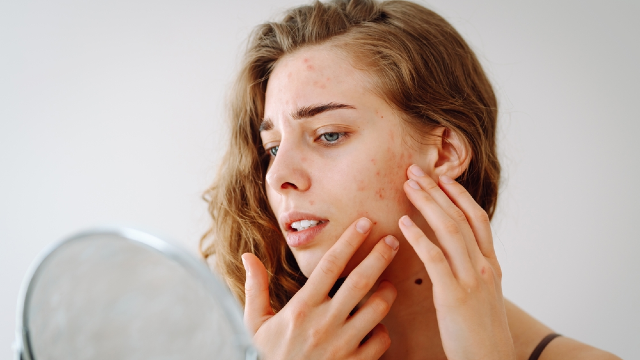
Sensitive Skin and Rosacea: Which Mason Clinic Treatments Are Gentlest
Medically reviewed by Dr. Hyunju Kim, Medical Director, Mason Clinic
If you have sensitive skin or rosacea, you already know the frustration of never quite trusting how your skin will react. A product that suits everyone else leaves you flushed and stinging. A treatment that sounds gentle turns out not to be. Over time, many people with reactive skin become understandably cautious—and that caution is wise. This guide is written with that reader in mind. It explains what rosacea is and how it is managed medically, why that medical care belongs firmly with a physician, and how gentle aesthetic options can play a soothing, supportive role without pretending to be something they are not. Throughout, the theme is the same one your skin has been teaching you for years: with reactive skin, caution comes first. This article is educational and is not a self-diagnosis tool.
Understanding Rosacea: Chronic, but Manageable
Rosacea is a chronic skin condition. It commonly shows up as persistent facial redness, visible small blood vessels, flushing that comes and goes, and sometimes small bumps that can be mistaken for acne. It tends to center on the cheeks, nose, chin, and forehead, and it often follows a pattern of flare-ups and calmer periods rather than staying the same day to day.
Two facts about rosacea are worth stating plainly and holding onto. First, there is no cure for rosacea—it is a long-term condition rather than something that is treated once and finished. Second, and just as importantly, it can be managed. Many people bring their rosacea to a calmer, more comfortable, more predictable place through a combination of medical care, careful daily habits, and avoidance of the things that set it off. Understanding that management—not cure—is the realistic goal helps set expectations that actually protect you from disappointment and from overly aggressive approaches that can backfire on sensitive skin.
Medical Rosacea Care Belongs With a Physician
This is the most important section of this guide, so it comes early. Rosacea is a medical condition, and its core treatment is medical. A physician or dermatologist is the right person to diagnose rosacea, distinguish it from conditions that can look similar, identify which subtype or features you have, and prescribe treatment accordingly.
There are treatments approved by the U.S. Food and Drug Administration specifically for rosacea, and they are prescription medicines managed by a doctor—not aesthetic procedures. These include several topical medications, such as metronidazole, azelaic acid, ivermectin, brimonidine, and oxymetazoline, as well as the oral antibiotic doxycycline, which is used for its anti-inflammatory effect in rosacea. Each works differently, each suits different situations, and each carries its own considerations, which is exactly why they belong in the hands of a prescribing physician who can tailor them to you and monitor how you respond. If you suspect you have rosacea, or you have been told you do, the foundation of your care should be a relationship with a doctor who manages the condition medically. Nothing in this article is a substitute for that.
Where Gentle Aesthetic Care Fits In
So where do aesthetic clinics fit? Honestly and modestly. Gentle, in-clinic aesthetic options may help some people with reactive or rosacea-prone skin feel more comfortable—supporting a calmer, more soothed complexion and better overall skin quality. What they are not is a cure for rosacea, and they are not a replacement for the medical treatment described above. Framed correctly, they are supportive: something that may sit alongside medical care under a doctor's guidance, not something that stands in for it.
This distinction matters because sensitive and rosacea-prone skin can be pushed into a flare by approaches that are too strong, too hot, or too abrasive. The right mindset for anyone seeking a gentle skin treatment in Seoul or elsewhere is to look for the least irritating option that still addresses the concern, to move slowly, and to keep medical rosacea treatment separate and primary. A trustworthy sensitive skin aesthetic clinic in Korea or anywhere should be comfortable saying "this is soothing support, not a cure," and should encourage you to keep your physician in the loop.
Why Sensitive Skin Needs a Cautious Approach
Sensitive skin reacts unpredictably. That single sentence explains most of the care philosophy that follows. Skin that flushes, stings, or breaks out in response to products, temperature, friction, or ingredients does not always behave the same way twice, and it does not always warn you in advance. What felt fine last month can cause a reaction today.
Because of that unpredictability, the sensible order of operations is caution first, then gradual steps. That means favoring low-irritation approaches, introducing only one new thing at a time, watching how skin responds over days rather than minutes, and being willing to stop. It also means an individualized assessment rather than a one-size-fits-all plan. Mason Clinic describes its Skin Rejuvenation program as personalized and diagnostic-first, beginning with a consultation and a detailed evaluation of skin type, texture, tone, sensitivity, and medical history with Dr. Hyunju Kim, Medical Director, before any treatment is selected. For reactive skin, that emphasis on assessing sensitivity up front is not a formality; it is the whole point.
The Value of Patch Testing
For sensitive and rosacea-prone skin, patch testing is one of the most useful habits you can adopt. The idea is simple: before committing to a new product or, where appropriate, a new treatment, you try it on a small, discreet area first and give your skin time to reveal how it will respond. It will not predict everything, but it can catch obvious problems before they become a full-face flare.
The same patient logic applies in a clinic setting. A cautious approach means starting conservatively, checking tolerance, and building up only if skin stays calm—rather than diving into the most intensive version of anything. If you take one practical habit away from this guide, let it be this willingness to test small and go slow. With unpredictable skin, that patience is protective, and it is worth far more than speed.
Mason Clinic's Skin Rejuvenation Category for Reactive Skin
Mason Clinic's Skin Rejuvenation category is described as a personalized dermatology program intended to restore skin texture, tone, hydration, brightness, and overall vitality, addressing concerns that include pigmentation, redness, and uneven texture. Notably, the clinic's own documentation lists redness and sensitive skin among the conditions this program is designed to consider, which is why it is a reasonable starting point for a conversation about gentle care.
The structure is built around individual assessment. Every plan is customized after a detailed skin evaluation, the clinic uses certified equipment with documented treatment parameters, and care is provided privately in-room with post-treatment guidance and follow-up. For someone with rosacea-prone skin, the reassuring elements here are the upfront evaluation of sensitivity and the individualized planning—because what soothes one reactive complexion can irritate another. None of this changes the core message: any calming aesthetic support should complement, never replace, medical rosacea care from a physician.
Gentle Modalities the Clinic Documents
When specific modalities come up, two are commonly discussed in the context of gentler skin care, and it is worth pairing each with an honest note on what it is and is not.
The first is a polyhydroxy-acid (PHA) exfoliation approach, sometimes referred to as a glow peel. PHA-based exfoliation is generally regarded as milder and lower-irritation than traditional stronger acid peels, which is why it comes up in conversations about sensitive skin. It is a form of gentle exfoliation, not a rosacea medication. The second is LDM SMART TRI, an ultrasound-based skin therapy the clinic documents. For LDM SMART TRI and sensitive skin, the appeal is a non-abrasive, energy-based mechanism—but here precision about regulation matters: these modalities are offered under Korea's regulatory framework and should not be assumed to carry U.S. FDA approval as treatments for rosacea. No aesthetic device or peel is an FDA-approved rosacea treatment; the FDA-approved rosacea treatments are the prescription medicines discussed earlier and are managed by a physician. Whether any specific modality suits your skin, and at what intensity, is exactly the kind of question that requires in-person assessment and, ideally, coordination with the doctor managing your rosacea.
Trigger Avoidance and Daily Skin Barrier Care
For rosacea and sensitive skin, some of the most powerful tools are not treatments at all—they are habits. Identifying and avoiding your personal triggers is a cornerstone of management. Common triggers vary from person to person but frequently include heat, sun exposure, spicy foods, alcohol, hot drinks, intense exercise, emotional stress, and harsh skincare. Keeping a simple mental or written note of what precedes your flares can help you spot patterns and steer around them.
Alongside trigger avoidance, gentle daily care supports the skin's barrier. A mild, non-stripping cleanser, a simple fragrance-free moisturizer, and a deliberately pared-back routine tend to serve reactive skin far better than a crowded shelf of active ingredients. The goal of calming skin barrier repair habits is not to do more, but to do less irritation—giving reactive skin fewer reasons to flare. This kind of anti-inflammatory-minded, low-irritation approach at home is often the quiet backbone that makes everything else more comfortable.
Sun Protection
Sun protection deserves its own mention because sun exposure is one of the most common rosacea triggers and a factor in many sensitive-skin flares. Consistent daily sun protection is one of the simplest, most widely recommended habits for anyone with reactive skin. For sensitive complexions, gentler, well-tolerated formulations are usually preferable, and—true to the theme of this guide—patch testing a new sunscreen before daily use is a sensible precaution. Protecting your skin from the sun supports both comfort and the overall management of rosacea over time.
What Results Are Realistic
Realistic expectations are especially important with rosacea and sensitive skin. Because rosacea has no cure, the honest goal is management: fewer or milder flares, a calmer baseline, and more comfortable, more predictable skin. Gentle aesthetic care may support how your skin looks and feels, but it does not eliminate the underlying condition, and results vary considerably from person to person. Some people respond well; some see modest change; some find that their skin tolerates less than they hoped and needs an even more conservative plan. Improvement, where it comes, is usually gradual. Setting your expectations around steady, supportive progress—rather than a dramatic, permanent fix—leads to better decisions and far less disappointment. And because sensitive skin reacts unpredictably, a cautious, test-first approach protects that progress.
Bottom Line
Rosacea is a chronic condition with no cure, but it can be managed—and its core treatment is medical, belonging with a physician or dermatologist. FDA-approved rosacea treatments exist, including topical metronidazole, azelaic acid, ivermectin, brimonidine, and oxymetazoline, and oral doxycycline; these are prescription medicines, not aesthetic procedures. Gentle aesthetic options, such as those within Mason Clinic's diagnostic-first Skin Rejuvenation category, may offer soothing, supportive care for reactive skin, but they are not a cure and not a substitute for medical rosacea treatment. Lead with caution: patch test, avoid your triggers, keep daily care gentle, protect against the sun, and insist on individualized, in-person assessment. Results vary, and with sensitive skin, going slow is going well.
Frequently Asked Questions
**Can an aesthetic clinic cure my rosacea?**No. Rosacea has no cure, and aesthetic care cannot provide one. Rosacea is managed—not cured—primarily through medical treatment from a physician or dermatologist. Gentle aesthetic options may offer soothing, supportive care, but they do not replace medical rosacea treatment.
**What are the FDA-approved treatments for rosacea?**FDA-approved rosacea treatments are prescription medicines managed by a doctor. They include topical metronidazole, azelaic acid, ivermectin, brimonidine, and oxymetazoline, along with oral doxycycline used for its anti-inflammatory effect. A physician determines which, if any, is right for you and monitors your response.
**Are the clinic's gentle treatments safe for sensitive skin?**Sensitive skin reacts unpredictably, so no treatment can be assumed universally suitable. That is why caution, patch testing, and an individualized in-person assessment come first. Mason Clinic describes evaluating skin type and sensitivity before selecting any treatment, and results and tolerance vary from person to person.
**Is LDM SMART TRI or a PHA glow peel FDA-approved for rosacea?**No. No aesthetic device or peel is an FDA-approved rosacea treatment. These modalities are offered under Korea's regulatory framework as gentle, supportive skin care, not as medical rosacea treatments, and should not be assumed to carry U.S. FDA approval for that purpose. Confirm details and suitability with the clinic and your own physician.
**What can I do at home to help my rosacea?**Identify and avoid your personal triggers—often heat, sun, spicy food, alcohol, and harsh products—keep daily care gentle and fragrance-free to support your skin barrier, and use consistent, well-tolerated sun protection. Pair these habits with medical care from your physician for the most reliable management.
**Should I see a doctor before booking an aesthetic treatment?**Yes. If you have or suspect rosacea, a physician or dermatologist should lead your care. Bring any aesthetic treatment you are considering to that doctor, and treat in-clinic options as supportive rather than as a replacement for medical treatment.
Disclaimer
This article is for general educational purposes only and is not medical advice, a diagnosis, or a self-diagnosis tool. It does not establish a doctor-patient relationship. Rosacea is a chronic medical condition that should be diagnosed and managed by a physician or dermatologist; gentle aesthetic options are supportive and are not a cure or a substitute for medical treatment. Individual results vary, and sensitive skin can react unpredictably, so all treatments carry potential risks that should be discussed in person. Regulatory status and device clearances differ by country; a clearance or approval in one country does not mean the same status elsewhere. Please consult Mason Clinic and your own healthcare provider for individualized guidance and an in-person assessment before making any treatment decision.
Clinical Safety Notice & Personalized Consultation
All treatments across Mason Clinic's specialized clinical centers are planned after a 1:1 consultation with our attending physicians. Individual outcomes vary depending on skin anatomy and condition. Possible post-procedure effects include temporary redness, swelling, bruising, tenderness, or infection.
Request a 1:1 ConsultationClinical Safety Notice & Personalized Consultation
All treatments across Mason Clinic's specialized clinical centers are planned after a 1:1 consultation with our attending physicians. Individual outcomes vary depending on skin anatomy and condition. Possible post-procedure effects include temporary redness, swelling, bruising, tenderness, or infection.
Request a 1:1 Consultation