1:1 Consultation
Dermal Fillers 101: Juvederm, Belotero, and Radiesse Compared for US Patients
Compare Juvederm, Belotero, and Radiesse fillers by composition, use case, and US-FDA status, to help US patients prepare before a Seoul consultation.
Mason Clinic · Medical Editorial & Clinical Insight
1:1 Consultation →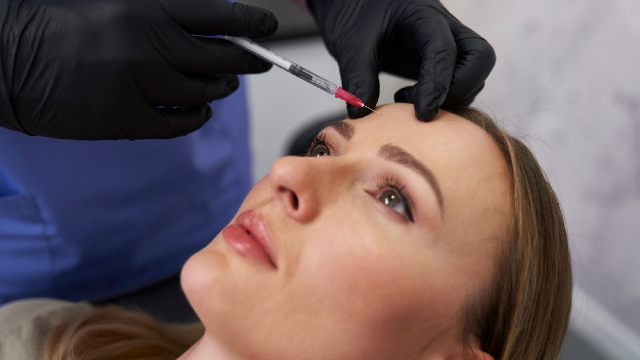
Dermal Fillers 101: Juvederm, Belotero, and Radiesse Compared for US Patients
Medically reviewed by Dr. Hyunju Kim, Medical Director, Mason Clinic
Dermal fillers are one of the most common questions US patients bring to a consultation, and one of the most confusing to research on your own. There are many brands, several different materials, and a lot of marketing language that blurs the differences. If you are weighing your options, or considering treatment during a visit to Seoul, it helps to understand what actually separates the fillers a clinic offers. This guide compares three that are used at Mason Clinic, a dermatology and aesthetics clinic in Seoul: Juvederm, Belotero, and Radiesse. It looks at what each is made of, which facial layers and concerns they are typically used for, how long results generally tend to last, and, importantly for US readers, what their US-FDA status is. This is educational information to help you prepare for a professional consultation, not a way to self-select a product.
What Dermal Fillers Do
Dermal fillers are injectable treatments used to restore lost facial volume, enhance facial contours, and smooth wrinkles. Depending on the product and the area, they can be used to address concerns in regions such as the lips, cheeks, chin, jawline, under-eye area, and nasolabial folds, with the goal of a more balanced appearance.
Not all fillers are the same, and that is the central point of this guide. They differ in their base material, in the depth and type of concern they suit, and in how they behave over time. Some are made from hyaluronic acid, a substance the body produces naturally; others use different materials that also stimulate the body's own collagen. Understanding these differences is the foundation for a productive conversation with a clinician, who can match a product to your anatomy and goals.
A Word on US-FDA Status Before You Compare
Because regulatory status matters to US patients, it is worth being precise up front, as the details differ by product and even by specific formulation within a brand.
- Juvederm collection (for example, Voluma XC and Volbella XC): US-FDA-approved hyaluronic-acid dermal fillers.
- Radiesse: a US-FDA-approved calcium hydroxylapatite (CaHA) collagen-stimulating filler.
- Belotero: here the detail matters. Belotero Balance is a US-FDA-approved hyaluronic-acid filler, indicated for nasolabial folds and infraorbital (under-eye) hollows. However, the specific product Mason Clinic lists is "Belotero Revive," a hydration and skin-quality booster. Belotero Revive is not confirmed to be US-FDA-approved, and this guide does not claim that it is. Only the Belotero Balance formulation is the US-approved product within the Belotero line, and the two should not be treated as interchangeable.
A note on terminology: hyaluronic-acid and calcium-hydroxylapatite fillers go through the FDA's "approval" pathway, which is different from the "clearance" pathway used for many energy-based devices. FDA approval reflects a review for specific indications; it does not guarantee an outcome or eliminate risk. If a similar treatment closer to home is of interest, a US-licensed provider can advise on products approved for use in the United States.
Juvederm: Hyaluronic Acid for Volume and Delicate Areas
Juvederm is a hyaluronic-acid (HA) filler. Mason Clinic describes it as a high-density hyaluronic acid filler with high elasticity that provides strong volume retention. Because the collection includes several formulations, different products within it are suited to different jobs.
- Voluma is described for deep-volume areas such as the cheekbones, chin, and cheeks. In the US, Juvederm Voluma XC is FDA-approved for midface (cheek) volume, and for chin and temple augmentation.
- Volbella is described for more delicate areas such as the lips, nasolabial folds, and the eye area. In the US, Juvederm Volbella XC is FDA-approved for the lips and perioral (around-the-mouth) lines.
In practical terms, Juvederm is generally recommended for people who want to fill areas lacking volume, such as the cheekbones and jawline; to improve delicate areas such as the lips, eye area, and nasolabial folds; and to achieve long-lasting results with elasticity. As a hyaluronic-acid product, one characteristic worth knowing is that HA fillers can, in many cases, be adjusted or addressed by a clinician if needed, which is one reason HA is a widely used material. The specific product and technique should always be chosen by the treating clinician based on your assessment.
Belotero: Distinguishing Balance from Revive
Belotero is where careful reading pays off, because the brand name covers more than one product.
At Mason Clinic, Belotero appears under the Contour & Balance treatment program, described as providing natural, subtle volume for three-dimensional facial beauty, with applications the clinic lists for deep contouring of the lips, nasolabial folds, cheeks, and chin, along with natural wrinkle improvement and smoother skin texture. The clinic recommends it for people who need volume in sunken areas such as the nasolabial folds, under-eye area, and chin; those who want to sharpen facial contours; and those seeking natural, immediate results. The specific product listed in the clinic's materials is Belotero Revive, a hydration and skin-quality booster (offered in a formulation combined with an LDM step).
For a US patient, the important distinction is regulatory. Belotero Balance is the US-FDA-approved formulation within the Belotero line, indicated for nasolabial folds and infraorbital hollows. Belotero Revive, the booster the clinic lists, is not confirmed to be US-FDA-approved. Both are part of the Belotero family and both are hyaluronic-acid based, but they are not the same product and they do not share the same US regulatory status. If US-FDA approval is a factor in your decision, this is a specific point to raise and clarify directly with the clinic, and, if you are treating in the US, with a US-licensed provider.
Radiesse: Calcium Hydroxylapatite That Stimulates Collagen
Radiesse is different from the two HA products above because it is not made from hyaluronic acid. It is a calcium hydroxylapatite (CaHA) filler, and in the US it is FDA-approved as a collagen-stimulating filler.
Mason Clinic presents Radiesse as a collagen-regenerating filler designed to improve facial volume and skin elasticity, intended to stimulate collagen while providing long-lasting volume enhancement. It is generally recommended for patients who have volume loss in areas such as the cheeks or nasolabial folds, who want improved skin elasticity together with a lifting effect, and who prefer natural-looking, long-lasting volume.
The distinguishing idea with a CaHA filler is dual action. It can provide an immediate volumizing effect from the product itself, and, as the calcium-hydroxylapatite microspheres gradually break down in the body, it is associated with a longer-term collagen-stimulating response. For that reason, CaHA fillers are commonly used for deeper volume loss rather than for very fine, superficial lines. This collagen-stimulating quality is what most clearly sets Radiesse apart from the hyaluronic-acid options in this comparison.
Comparing by Composition, Layer, and Use Case
Putting the three side by side makes the practical differences clearer.
By composition:
- Juvederm — hyaluronic acid (HA).
- Belotero — hyaluronic acid (HA); note the Balance vs. Revive distinction above.
- Radiesse — calcium hydroxylapatite (CaHA), a collagen-stimulating material.
By typical target layer and use case:
- Juvederm Voluma — deeper placement for volume in the cheeks, chin, and temple region.
- Juvederm Volbella — more delicate areas such as the lips and around-the-mouth lines.
- Belotero — contouring and skin-quality goals as the clinic describes them, with the Revive booster oriented toward hydration and skin quality and Balance (the US-approved product) indicated for nasolabial folds and infraorbital hollows.
- Radiesse — deeper volume restoration combined with collagen stimulation, typically for areas of more pronounced volume loss rather than fine lines.
**By longevity, in general terms:**Filler duration varies considerably by product, by placement, by the amount used, and by individual factors such as metabolism and the treatment area. Hyaluronic-acid fillers and calcium-hydroxylapatite fillers are formulated for long-lasting rather than permanent results, and none of these products is permanent. Because durability differs so much from person to person, this guide does not assign a fixed number of months to any product; a realistic estimate for your case is something a clinician can give you after assessment.
General Filler Safety and Vascular Occlusion
All injectable fillers carry potential risks, and understanding them is part of making an informed choice. Common, usually temporary effects can include redness, swelling, and bruising at the injection site.
The most serious risk to be aware of is vascular occlusion, which happens if filler is inadvertently placed into or compresses a blood vessel, blocking blood flow. The US FDA highlights this among the serious risks associated with dermal fillers; potential consequences can include skin changes, vision problems, or, in rare cases, more severe outcomes. This is precisely why filler should be administered by a trained, qualified medical professional who understands facial anatomy, and why proper assessment and technique matter so much. It is also why fillers should not be purchased for self-injection or administered by unqualified individuals.
At Mason Clinic, dermal filler treatment is described as beginning with a direct consultation with the head doctor and, before treatment, an ultrasound assessment of skin thickness, fat layers, and muscle layers to help guide planning and injection depth. The clinic states that it selects the filler based on anatomical findings, individualizes each plan, and records injectables by opening them in front of the patient with photographic documentation, with treatment carried out in a private, controlled environment. Consultation directly with the clinic director, Dr. Hyunju Kim, may be available on request. None of this removes risk, but appropriate assessment and technique are central to how fillers should be handled.
How the Right Filler Is Chosen
There is no single "best" filler, because the right choice depends on the concern, the facial area, the tissue depth, and your goals. A product formulated for deep cheek volume is not the same tool as one intended for delicate lip work or for skin-quality support. This is why comparison articles like this one are a starting point rather than a decision.
At Mason Clinic, the approach is individualized: consultation and ultrasound-guided assessment of skin, fat, and muscle layers inform which product and depth are appropriate for a given patient, rather than applying one filler to every concern. Results vary between individuals, and expectations should be realistic; fillers refine and restore, they do not stop aging or guarantee a specific result. Pricing, product availability, and payment questions should be directed to the clinic, and are not covered here.
Bottom Line
Juvederm, Belotero, and Radiesse are three fillers with meaningful differences. Juvederm and Belotero are hyaluronic-acid based, while Radiesse is a calcium-hydroxylapatite, collagen-stimulating filler. Within the Juvederm collection, Voluma targets deeper volume in the cheeks, chin, and temple, while Volbella suits the lips and perioral area. Belotero requires care with the details: Belotero Balance is US-FDA-approved for nasolabial folds and infraorbital hollows, whereas the "Belotero Revive" booster the clinic lists is not confirmed to be US-FDA-approved. Radiesse is US-FDA-approved and adds collagen stimulation alongside volume. All fillers carry risks, including the serious risk of vascular occlusion, and all should be administered by a qualified professional after proper assessment. The right choice, and the right product for your anatomy and goals, can only be determined through an in-person consultation.
Frequently Asked Questions
**What is the main difference between these three fillers?**Composition. Juvederm and Belotero are hyaluronic-acid (HA) fillers, while Radiesse is a calcium-hydroxylapatite (CaHA) filler that also stimulates collagen. That difference influences which areas and concerns each is typically used for.
**Are all three FDA-approved in the US?**The Juvederm collection and Radiesse are US-FDA-approved. For Belotero, only Belotero Balance is US-FDA-approved (for nasolabial folds and infraorbital hollows). The "Belotero Revive" booster that Mason Clinic lists is not confirmed to be US-FDA-approved.
**Which filler is best for cheeks versus lips?**Deeper areas such as the cheeks are often addressed with volumizing products; Juvederm Voluma is described for deep-volume areas including the cheeks, and Radiesse is used for deeper volume loss. Delicate areas such as the lips are typically approached with products like Juvederm Volbella. The specific choice depends on your assessment.
**How long do fillers last?**Longevity varies widely by product, placement, amount used, and individual factors, and none of these fillers is permanent. A clinician can give a realistic estimate for your case after evaluation.
**What is vascular occlusion, and how serious is it?**Vascular occlusion occurs when filler blocks or compresses a blood vessel, interrupting blood flow. The FDA lists it among the serious risks of dermal fillers, with possible consequences including skin changes and, rarely, vision problems. It is a key reason fillers should only be administered by qualified medical professionals.
**Can I decide which filler I want before my consultation?**You can arrive informed, but the final choice should be made with a clinician. The right product depends on your facial anatomy, tissue depth, and goals, which are assessed in person rather than from an article.
Disclaimer
This article is for general educational purposes only and is not a self-diagnosis tool or a substitute for professional medical advice. It does not determine which treatment or product is appropriate for you. Individual candidacy and treatment planning require an in-person consultation and assessment at the clinic. Results vary between individuals, and all injectable treatments carry potential risks, including vascular occlusion, that should be discussed with a qualified clinician. For questions about pricing, product availability, scheduling, or your specific situation, contact Mason Clinic directly.
Clinical Safety Notice & Personalized Consultation
All treatments across Mason Clinic's specialized clinical centers are planned after a 1:1 consultation with our attending physicians. Individual outcomes vary depending on skin anatomy and condition. Possible post-procedure effects include temporary redness, swelling, bruising, tenderness, or infection.
Request a 1:1 ConsultationClinical Safety Notice & Personalized Consultation
All treatments across Mason Clinic's specialized clinical centers are planned after a 1:1 consultation with our attending physicians. Individual outcomes vary depending on skin anatomy and condition. Possible post-procedure effects include temporary redness, swelling, bruising, tenderness, or infection.
Request a 1:1 Consultation